Astronomers have tracked the most distant fast radio burst yet seen to its home, and the address is a surprise. NASA reports that the James Webb Space Telescope found the flash came from a small dwarf galaxy busy making stars about 3 billion years after the Big Bang.
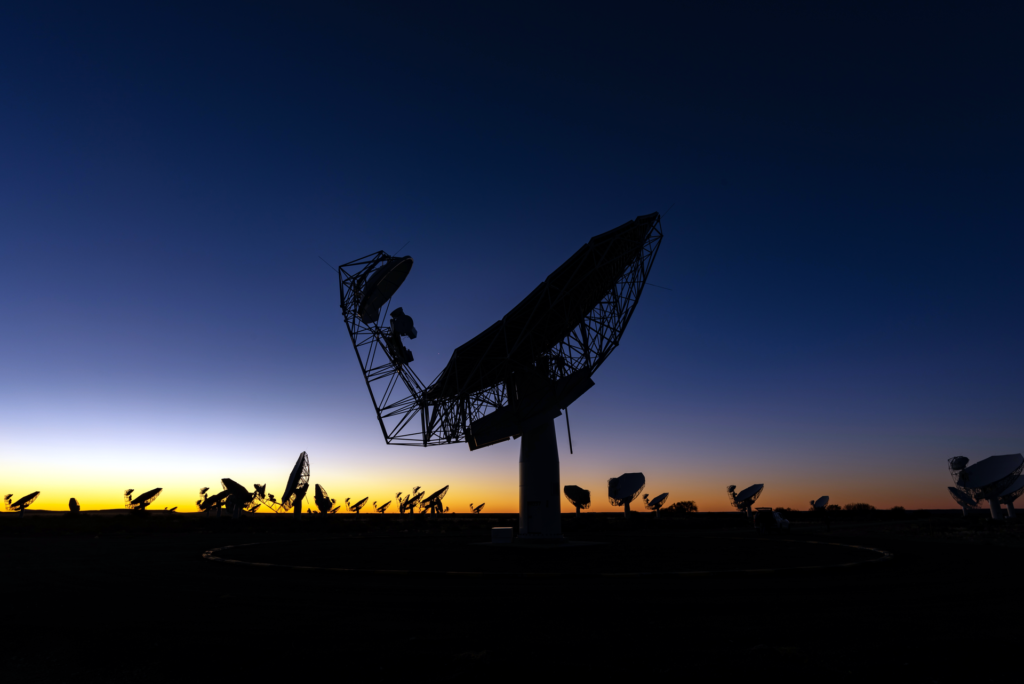
Fast radio bursts are split-second flashes of radio energy whose cause has been debated since the first was spotted in 2007. This one, FRB 20240304B, was caught in March 2024 by the MeerKAT telescope in South Africa. The biggest ground-based telescopes could see nothing at that spot, so the team, led by Manisha Caleb of the University of Sydney, turned to Webb.
The host turned out to be roughly 1,000 times less massive than expected. Its youth matters: it fits the idea that bursts come from young, highly magnetic stars called magnetars rather than from slow mergers of old ones. Ben Stappers of the University of Manchester said the host “sticks out in the whole galaxy sample.” The work is published in the journal Science.
Source: NASA