Twenty small silver coins found in a walled garden in Rome are giving historians their first physical evidence of an English neighbourhood that stood beside the Vatican more than a thousand years ago.
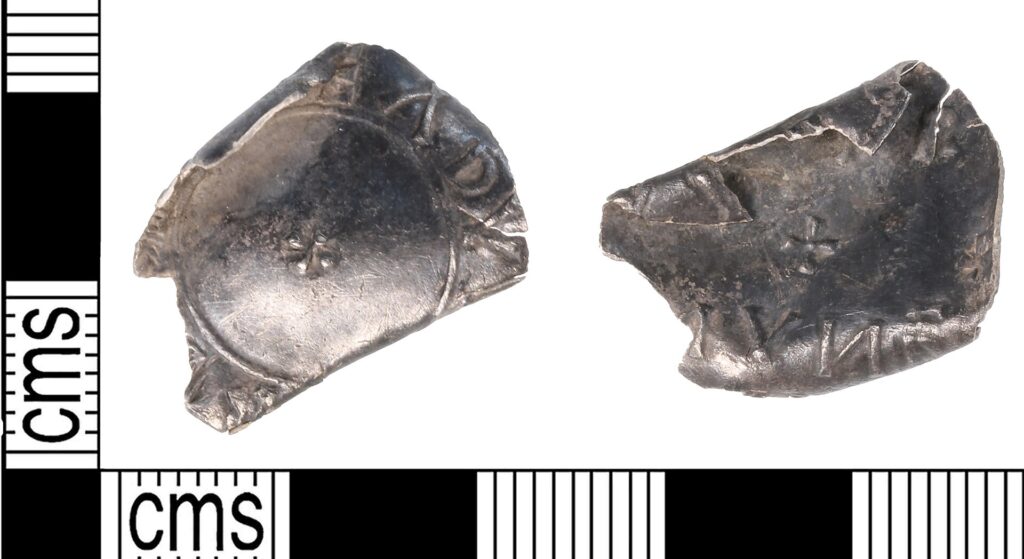
According to Smithsonian Magazine, the coins came from the grounds of the Palazzo della Rovere: nineteen pennies and a halfpenny, struck in the tenth century under kings Edward the Elder, Athelstan and Eadred, at mints in East Anglia, Kent, London and the West Midlands.
Rory Naismith of the University of Cambridge and Francesca Tinti of the University of the Basque Country link them to the Schola Saxonum, a settlement of English pilgrims and residents founded in the eighth century and known until now only from documents. That so much English money was in circulation there suggests the community had the pope’s permission to use its own currency.
“The coins aren’t pretty, but they have a lot to say,” Naismith said. More English coins of this period have now turned up in Rome than papal ones. The study appears in a new book on foreigners in early medieval Rome.
Source: Smithsonian Magazine