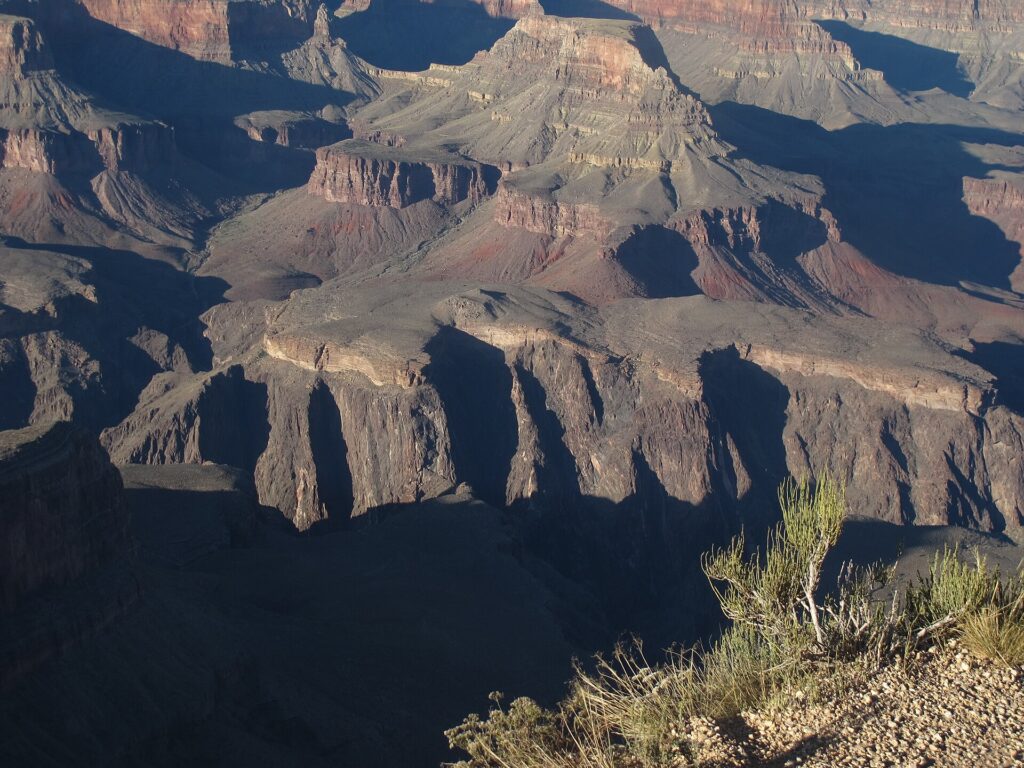
The walls of the Grand Canyon read like a history of the Earth going back about two billion years, with one enormous chapter torn out. Between roughly 1.8 billion and 520 million years ago there is almost nothing: younger rock sits directly on far older rock.
Science News reports on a proposed answer from a team led by Thomas Gernon at the University of Southampton, published in the journal Geology. Their computer models of the ancient Earth suggest that when the supercontinent Rodinia began to break apart around 800 million years ago, it threw up a vast escarpment one to two kilometres high, running from what is now Alaska to Arizona.
Steep slopes erode quickly, and this one stood through the deep freeze known as Snowball Earth, when rain, weather and grinding ice could have stripped away the missing layers. Adelaide University geologist Alan Collins, who was not involved, finds the case convincing, noting that similar escarpments in Antarctica and South Africa are doing the same work today. Pinning down the exact timing is the next job.
Source: Science News