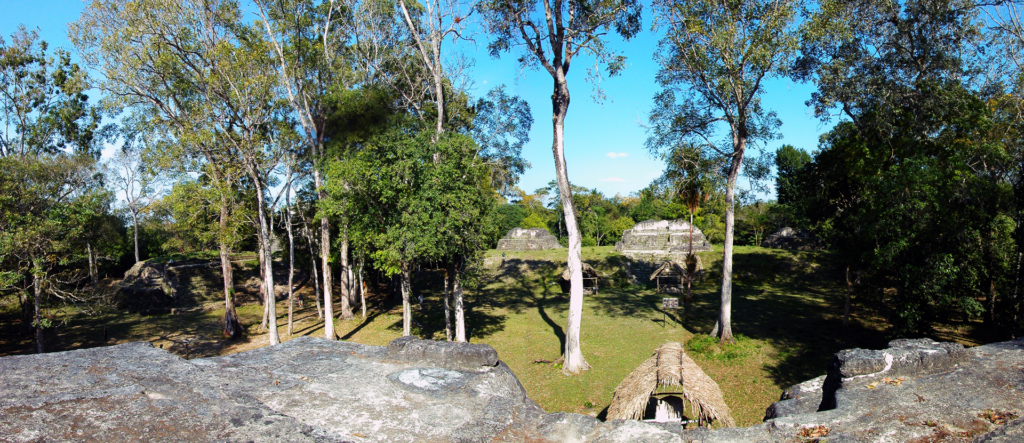
Archaeologists from Mexico’s National Institute of Anthropology and History (INAH) have identified a pre-Hispanic solar observatory in the Sierra Norte of Puebla that is more than 2,500 years old, Mexico News Daily reports. Known as Grupo E, or Tetelihtic, the site at Teteles de Ávila Castillo dates to the Middle Preclassic period and is the oldest observatory of its kind found in the country.
It is also the first of its type identified outside the Maya region. A courtyard is framed by a long eastern platform, about 90 by 40 metres, which worked as a solar calendar by lining up with sunrise at the solstices and equinoxes, and a smaller western platform from which people watched the sky.
Archaeologist Alberto Diez Barroso says the site probably marked the start of the Mesoamerican calendar in February and the harvest in October. The find may also point to Maya roots among the Huastec peoples, with a Maya presence in the area around 3,000 years ago.
Source: Mexico News Daily